Over 450+ 5-Star Reviews on
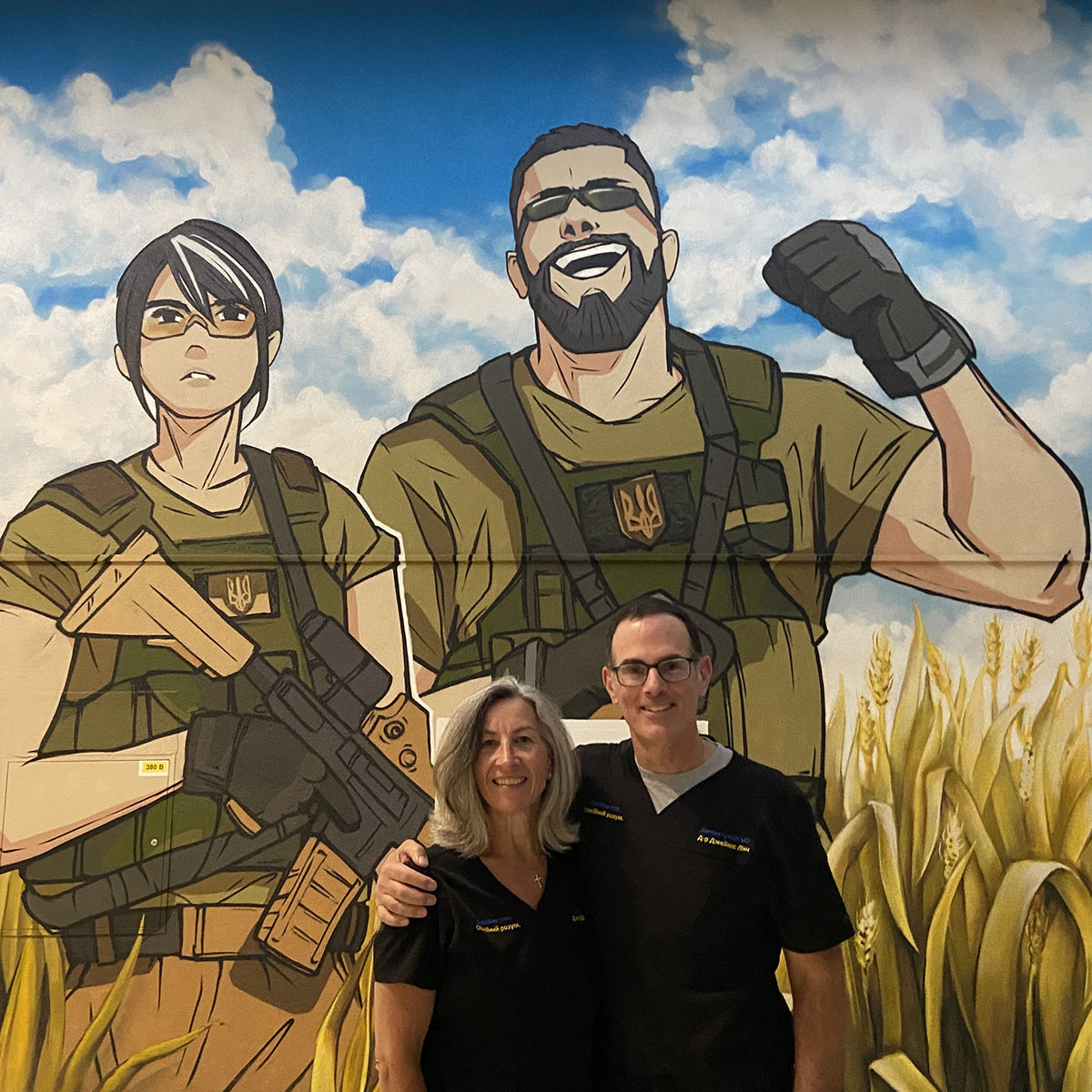
A year ago, I wrote that no words could adequately describe what it was like to treat Ukrainians with PTSD. I still don’t have those words. But I have something better to share: progress.
When Jodi and I first traveled to Kyiv in August 2025, our goal was simple to state and hard to achieve. We didn’t want to fly in, treat a few dozen people, and fly home. We wanted to help Ukraine build its own Stellate Ganglion Block (SGB) capability, run by Ukrainian doctors, for Ukrainian patients, for as long as it’s needed.
One year later, that is exactly what is happening. And the people making it happen are Ukrainian.
Where We Started
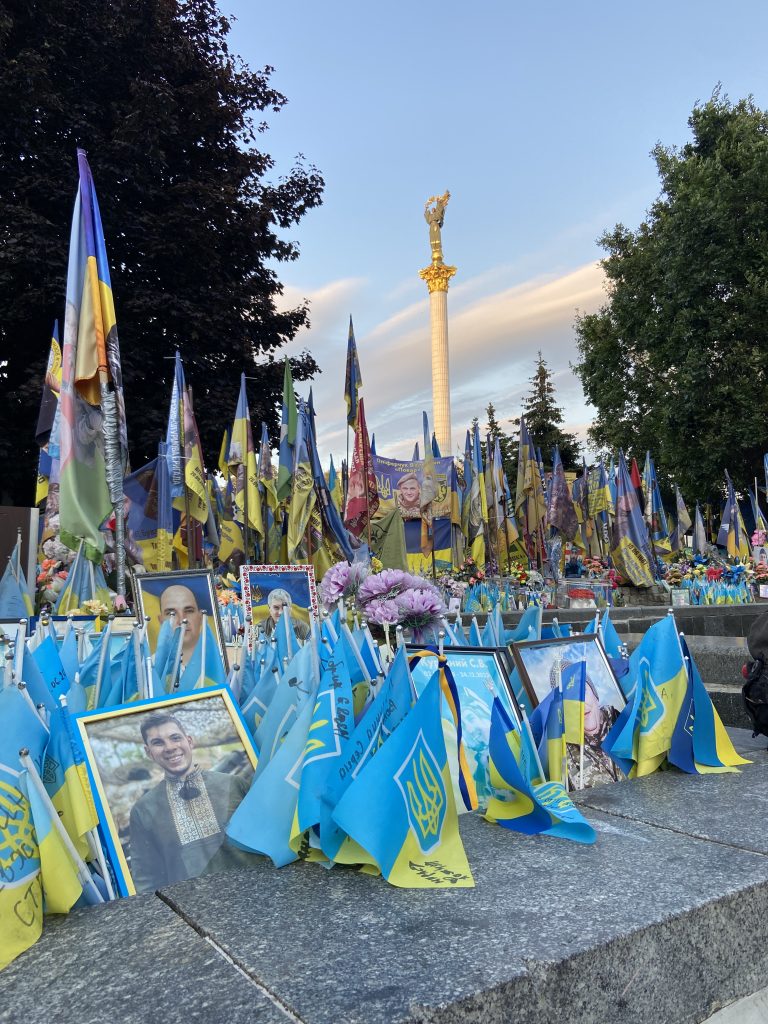
On that first trip, with our partners at Task Force Antal, we worked alongside Ukrainian clinicians at Lisova Polyana, a rehabilitation facility outside Kyiv that serves as a center of excellence for treating PTSD. Together, we treated more than 50 trauma survivors, including soldiers recovering from fresh combat injuries and several former prisoners of war who had suffered in Russian captivity.
Their pain was palpable. So was their relief.
But 50 people is a drop in the ocean. An estimated 1.8 million Ukrainians are living with the effects of war trauma. No visiting American doctor can close that gap. Only Ukrainian doctors can.
A Quick Refresher: What Is SGB?
For readers new to SGB, here’s the short version.
Trauma can leave the body’s fight-or-flight system stuck in the “on” position. That’s why people with PTSD often feel constantly on edge, can’t sleep, startle easily, and feel unsafe even when they’re safe.
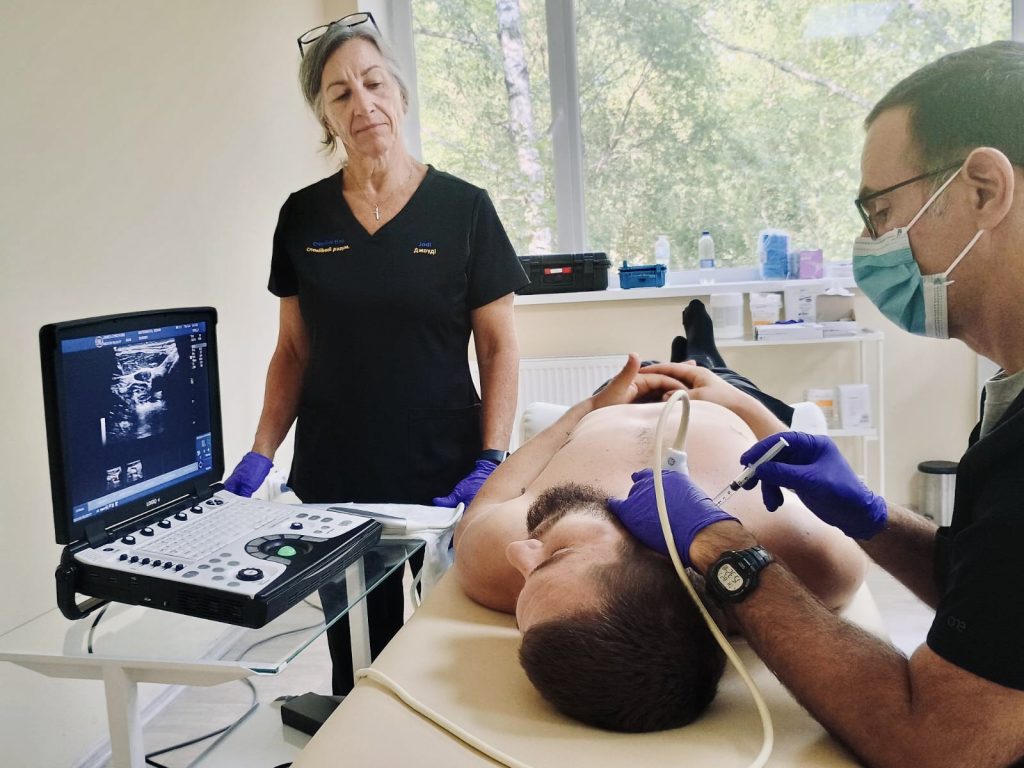
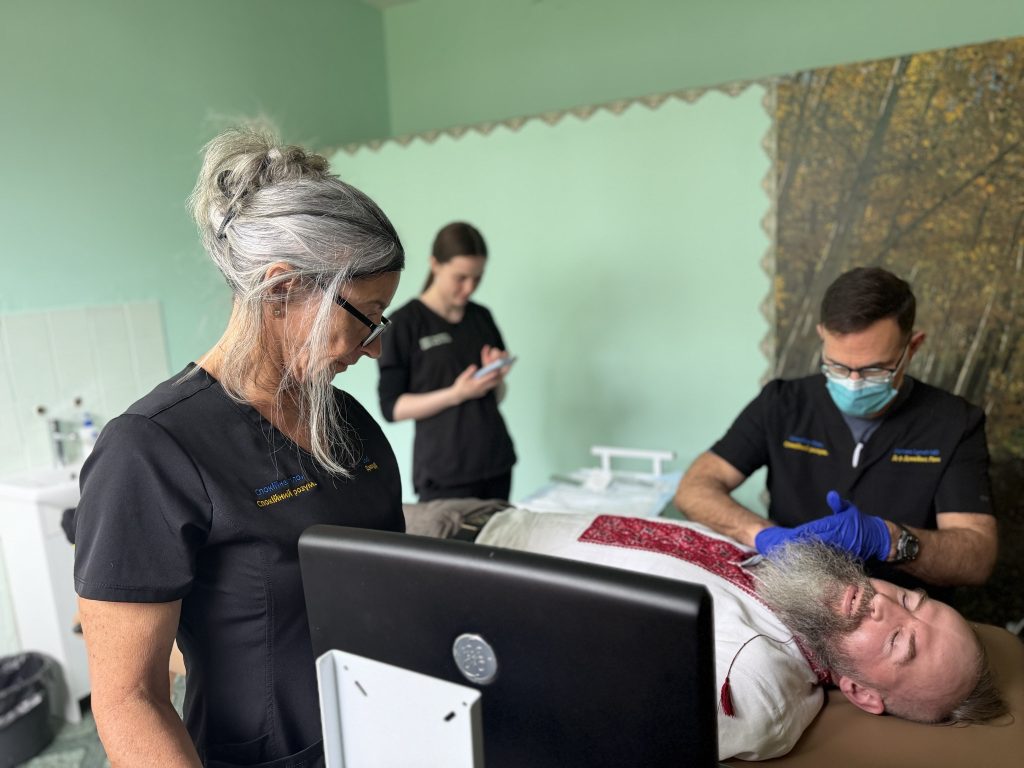
The stellate ganglion is a cluster of nerves in the neck that helps drive that fight-or-flight response. In an SGB, a physician uses ultrasound to guide a small injection of local anesthetic next to those nerves. The procedure takes minutes. For many patients, it turns down the volume on that stuck alarm, often within hours.
SGB is not a cure on its own. Think of it as opening a window. Therapy is how patients climb through it. That’s why the work in Ukraine has never been about the needle alone.
Ukrainian Doctors Teaching Ukrainian Doctors
This is the part of the story I’m proudest of, and it isn’t about me.
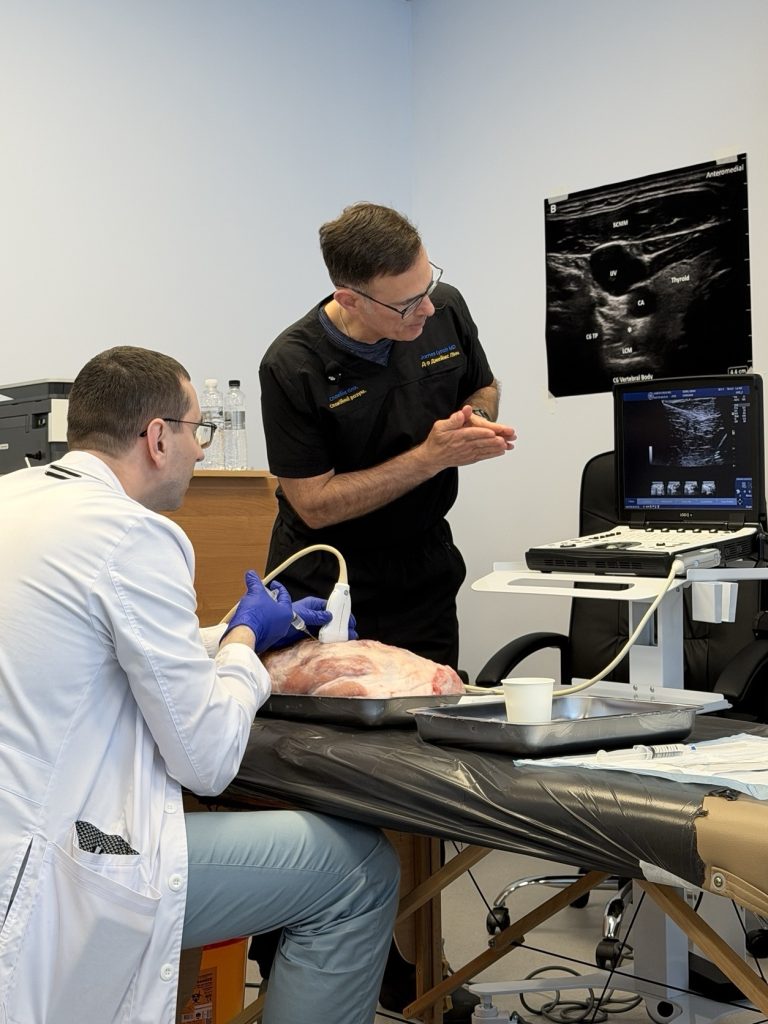
The team at the R.T. Weatherman Foundation is leading this effort on the ground. Ukrainian experts are now teaching eager Ukrainian students the ultrasound-guided SGB technique. That’s the definition of sustainable: the knowledge no longer leaves the country when I get on a plane.
Two physicians deserve special recognition. They are the backbone of this effort:
- Dr. Michael Frank, principal SGB trainer, R.T. Weatherman Foundation
- Dr. Uliana Kashchii, principal SGB trainer, R.T. Weatherman Foundation
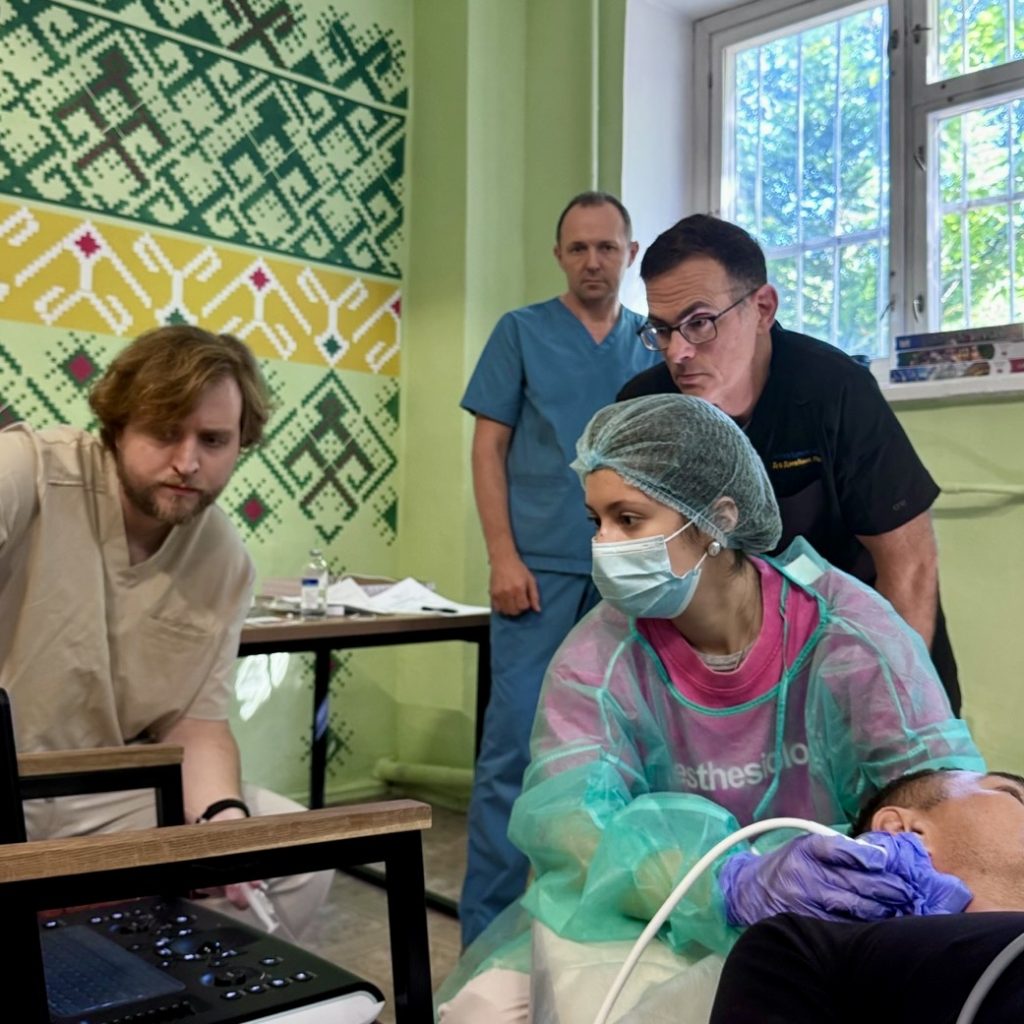
Over the past year, Dr. Frank and Dr. Kashchii have performed most of the SGBs delivered through the Foundation’s program. Even more important, they now train new Ukrainian doctors on a regular basis. Every physician they teach becomes another set of hands that can bring relief to someone who is suffering.
These doctors are doing this work while living through the same war as their patients. Many go home to air-raid sirens. They show up anyway. Much of the success of SGB in Ukraine belongs to them.
Five Workshops, Five Specialties
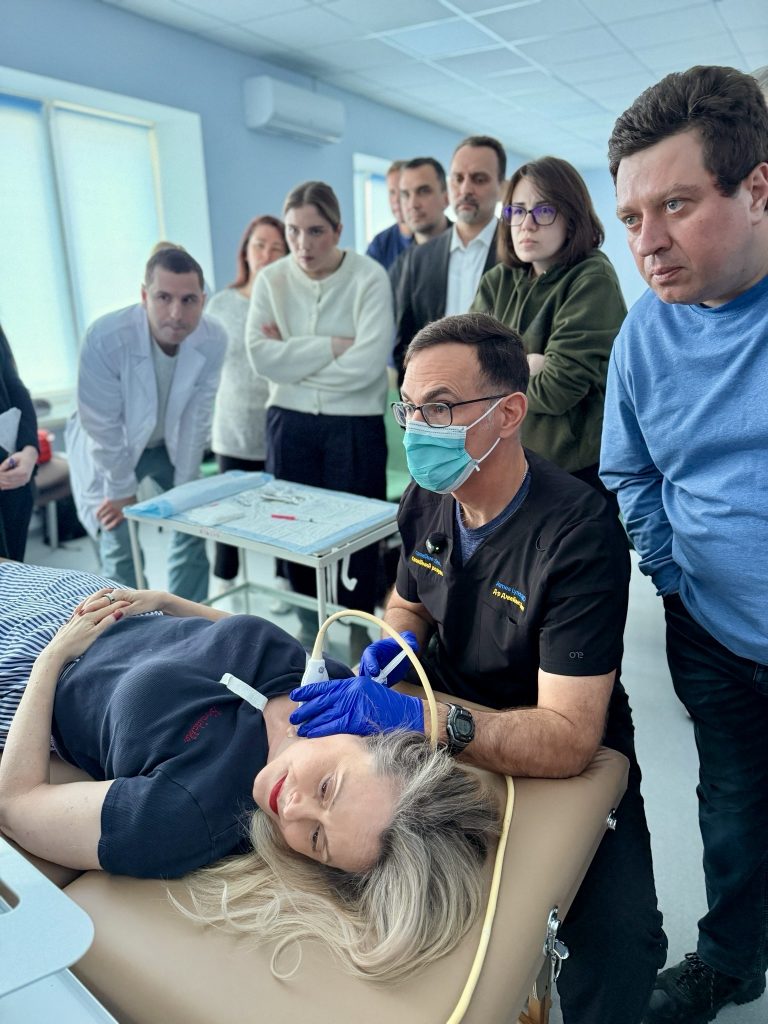
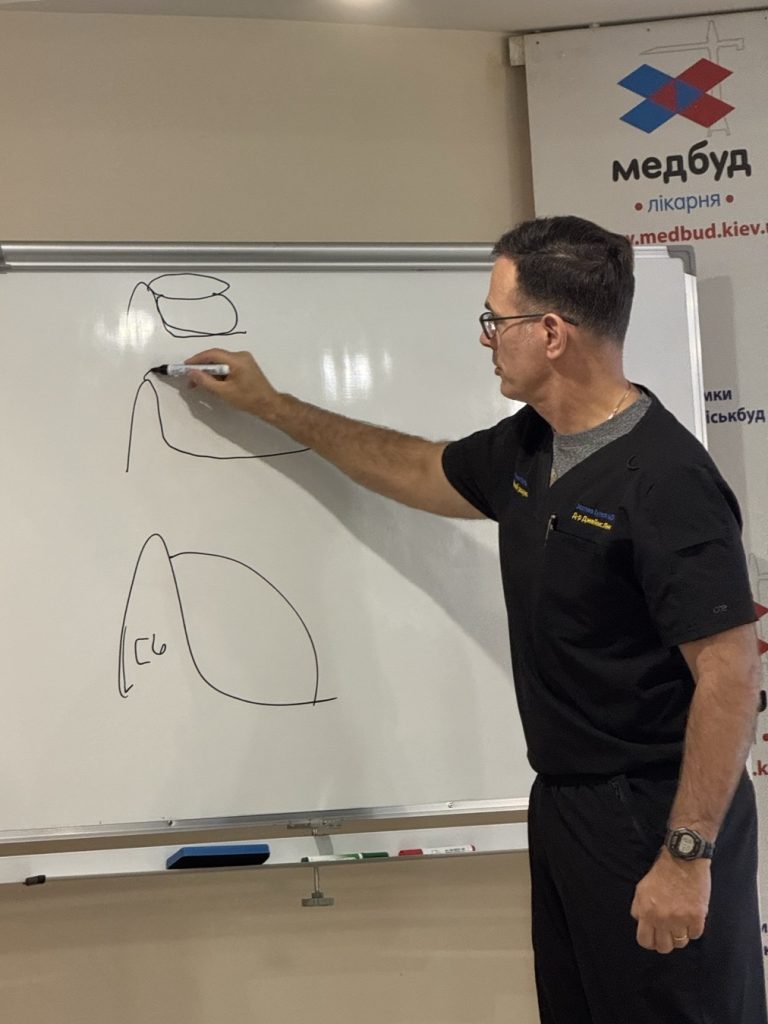
In September 2026, on my first trip with the R.T. Weatherman Foundation, my role looked very different. I was no longer the one performing SGBs. I was there to help train the Ukrainian physicians who now perform them. Together, we held five workshops across Ukraine in Odesa, Dnipro, Kyiv, and Ternopil. The rooms were full of psychiatrists, therapists, neurologists, surgeons, and anesthesiologists.
Why does that mix matter? Because healing from trauma is a team sport.
- The anesthesiologists and surgeons bring precise needle and ultrasound skills.
- The neurologists understand the nervous system we’re trying to calm.
- The psychiatrists and therapists carry the patient forward after the block, which is where lasting recovery happens.
When all of those specialists learn about SGB together, they also learn to refer to each other, and patients stop falling through the cracks.
A New Role with R.T. Weatherman
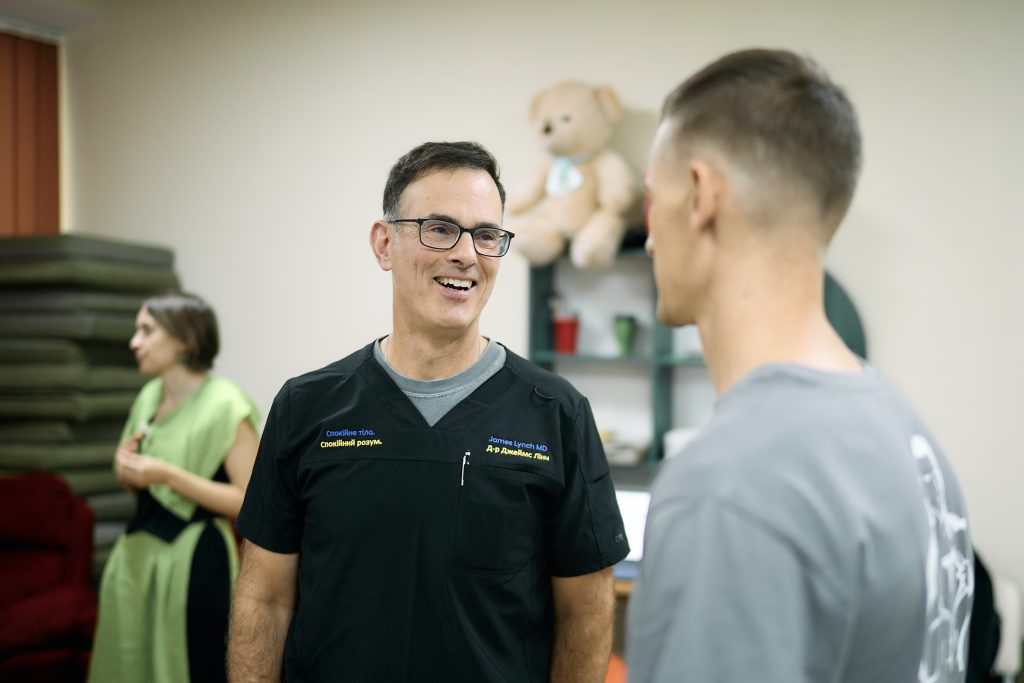
I’m honored to have formally joined the R.T. Weatherman Foundation in an advisory role. I’ll advise the Foundation’s team on clinical matters, help develop trauma treatment protocols, and keep training Ukrainian doctors in SGB, work that started well before the title did.
The Foundation arrived in Ukraine in March 2022 and has not left. It’s a U.S. nonprofit that is also registered as a Ukrainian charity, and its Mind programs provide psychological support and help with reintegration for Ukrainians and international volunteers affected by the war. This appointment formalizes a partnership between the Foundation and our clinic that has been growing for some time.
I also want to thank our friends at Task Force Antal, who opened the door for that first trip in 2025 and believed in this mission from the start.
What’s Next
We’re just getting started. So much work to do. So many are suffering.
The goal hasn’t changed since day one: a lasting SGB capability, run by Ukrainians, that can reach thousands of trauma survivors, not dozens. Every Ukrainian physician trained today will treat patients for years after I’ve gone home.
If you would like to support this work, you can contribute through the R.T. Weatherman Foundation here: weathermanfoundation.org/donate
Slava Ukraini! Heroyam slava!
~
Спокійне тіло. Спокійний розум.
Calm the body. Calm the mind.